

Two people told me this week that AI was not being used in their commercial work.
Both were already using it.
They were prompting LLMs to get through documents, test questions and prepare first drafts.
What they meant was that the business was not using AI. There was no agreed process, no shared evidence trail and no named person responsible for approving the result.
I also heard about a commercial team that ran a shadow AI bid on an infrastructure asset. The exercise produced an unexplained variance in the strike price.
That single discrepancy was enough to stop every AI initiative across their commercial work. It is not the first time I have heard a version of that response.
The concern is justified. The conclusion is too broad.
Putting tender figures into a standalone language model and asking it for a price is not a governed commercial process. The answer may look confident. That does not mean the formula was applied correctly, the capex assumptions were tested or the commercial schedules agree with the draft contract.
Stopping that use is sensible.
Treating it as proof that every form of AI is unsafe confuses a chatbot with a commercial system.
A chatbot is not a commercial system
A standalone LLM is built to generate a plausible response from the context it receives. It is not a pricing engine or a verification control.
That distinction can disappear in a prompt window. A person pastes in selected information, asks a question and receives a polished answer. The sources, assumptions and checks may be incomplete, but the output does not arrive looking uncertain.
The same problem appears in less dramatic work. Two capable people can use the same tool on the same tender and get different results because they supplied different documents, used different prompts or checked different things. The useful answers then remain in private chat histories.
The individuals may have saved time. The business still cannot show that every bidder received the same treatment, reconstruct how an answer was reached or identify who approved its use.
That is not organisational capability. It is individual experimentation inside a consequential process.
What changes in a governed workflow?
A governed workflow separates the jobs instead of asking one model to do everything.
A language model may help interpret a clause, structure information or prepare a clarification. A controlled calculation model performs the pricing logic. Rules-based checks reconcile schedules and flag mismatches. The workflow keeps the source evidence, assumptions and exceptions attached.
Then a named commercial lead challenges the result and signs it off.
The system has not decided the price, accepted the risk or made the commitment. It has prepared the work consistently and made the route to the answer visible.
That does not remove risk. It makes the risk easier to see, test and own.
It also means one failed prompt does not have to become a verdict on every possible use. Leaders can reject the unsafe method while still examining whether a bounded, controlled workflow is worth testing.
Start with the work already happening
The conversations this week changed the question I would ask first.
Not, “Where could we deploy AI?”
Ask instead:
- Where are people already using LLMs in commercial work?
- Which outputs could affect price, risk, evaluation or commitment?
- What would make that work repeatable, traceable and safe to approve?
This is why my work starts with an assessment of one real workflow, not a platform shortlist or a catalogue of agents. Follow the work as it happens. Find the prompt-based shortcuts already in use. Separate the language tasks from the calculations and controls. Then decide whether that task should be governed, redesigned or stopped.
The two people I spoke to were right in one sense. Their organisations did not yet have an AI capability.
But AI was already influencing commercial work through individual choices.
That gap is where the risk now sits.
Leaders do not have to choose between uncontrolled prompting and stopping everything. Start with one valuable workflow. Keep the calculations in trusted tools, keep the evidence attached and keep the decision with the person accountable for it.
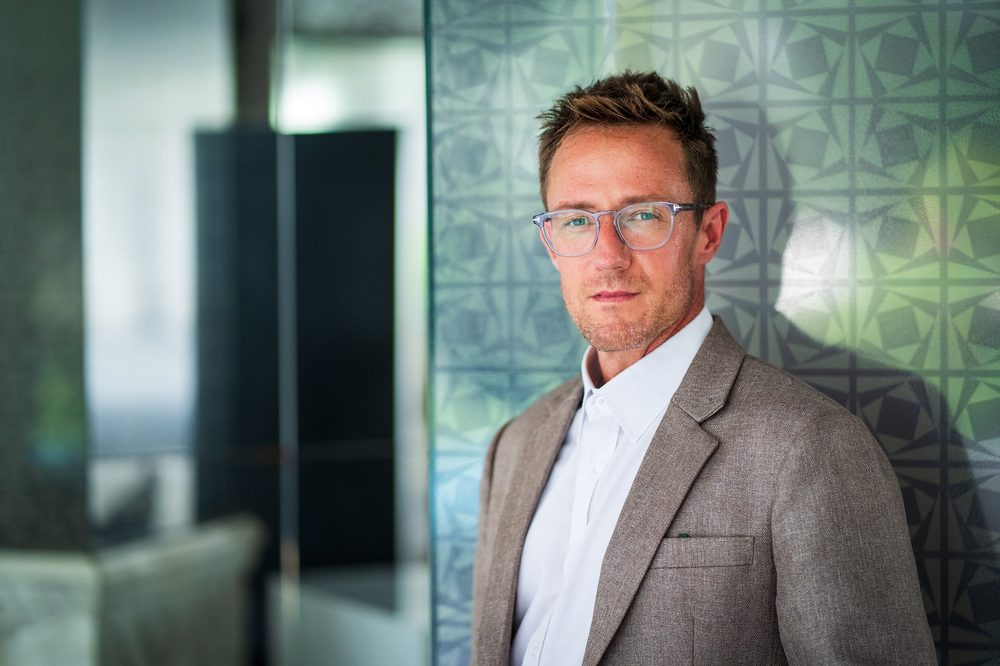
About the author
Yorik Tisseau (MBA) is the founder of Ignis Leadership. He brings 17 years of operational and commercial leadership across energy and infrastructure, including bp, RWE and Bouygues, and has worked from project engineer to Bid Director on complex international bids and tenders.
Today, he helps lean commercial teams add bid and tender capacity without handing over judgement or rushing to hire, installing governed human-AI capabilities around the way their people work.


